Like us on Facebook
Follow us on Twitter
review us on google

Ingrown Toenails in Babies

Ingrown toenails in babies occur when the edge of a toenail grows into the surrounding skin, causing redness, swelling, and sometimes discomfort. It most commonly affects the big toe and can result from tight socks, wearing ill-fitting shoes, or natural nail curvature. Unlike in adults, baby toenails are soft and pliable, so the condition often resolves with gentle care. Keep your baby’s feet clean and dry and avoid trimming nails too short or rounded. Instead, cut straight across to reduce the risk of the nail embedding into the skin. If the area becomes red, swollen, or shows signs of infection, such as pus or increased warmth, it is suggested that you seek care from a podiatrist who can provide safe and effective treatment, ensuring your baby’s comfort and preventing further complications.

Ingrown toenails can become painful if they are not treated properly. For more information about ingrown toenails, contact one of our podiatrists of Lakewood Family Foot and Ankle. Our doctors can provide the care you need to keep you pain-free and on your feet.

Ingrown Toenails

Ingrown toenails occur when a toenail grows sideways into the bed of the nail, causing pain, swelling, and possibly infection.

Causes

  • Bacterial infections
  • Improper nail cutting such as cutting it too short or not straight across
  • Trauma to the toe, such as stubbing, which causes the nail to grow back irregularly
  • Ill-fitting shoes that bunch the toes too close together
  • Genetic predisposition

Prevention

Because ingrown toenails are not something found outside of shoe-wearing cultures, going barefoot as often as possible will decrease the likeliness of developing ingrown toenails. Wearing proper fitting shoes and using proper cutting techniques will also help decrease your risk of developing ingrown toenails.

Treatment

Ingrown toenails are a very treatable foot condition. In minor cases, soaking the affected area in salt or antibacterial soaps will not only help with the ingrown nail itself, but also help prevent any infections from occurring. In more severe cases, surgery is an option. In either case, speaking to your podiatrist about this condition will help you get a better understanding of specific treatment options that are right for you.

If you have any questions, please feel free to contact our office located in Lakewood, CA . We offer the newest diagnostic and treatment technologies for all your foot care needs.

Read more about Ingrown Toenail Care

Symptoms of Neuropathy in the Feet and Relief Tips

Neuropathy in the feet occurs when the nerves in the feet are damaged, leading to a variety of symptoms. Common signs include numbness, tingling, a burning sensation, and sharp pain in the feet. People with neuropathy may also experience weakness, difficulty walking, and a lack of coordination due to reduced sensation. To find relief, regular walking can help improve circulation and strengthen the feet, which may reduce symptoms. Soaking the feet in warm water with Epsom salt can soothe discomfort and ease muscle tension. Additionally, reducing alcohol consumption is helpful, as excessive drinking can worsen nerve damage and increase pain. Managing underlying conditions, such as diabetes, through proper care and medication, can also significantly help control neuropathy symptoms. If you are suffering from neuropathy in the feet, it is suggested that you make an appointment with a podiatrist for help.

Neuropathy

Neuropathy can be a potentially serious condition, especially if it is left undiagnosed. If you have any concerns that you may be experiencing nerve loss in your feet, consult with one of our podiatrists from Lakewood Family Foot and Ankle. Our doctors will assess your condition and provide you with quality foot and ankle treatment for neuropathy.

What Is Neuropathy?

Neuropathy is a condition that leads to damage to the nerves in the body. Peripheral neuropathy, or neuropathy that affects your peripheral nervous system, usually occurs in the feet. Neuropathy can be triggered by a number of different causes. Such causes include diabetes, infections, cancers, disorders, and toxic substances.

Symptoms of Neuropathy Include:

  • Numbness
  • Sensation loss
  • Prickling and tingling sensations
  • Throbbing, freezing, burning pains
  • Muscle weakness

Those with diabetes are at serious risk due to being unable to feel an ulcer on their feet. Diabetics usually also suffer from poor blood circulation. This can lead to the wound not healing, infections occurring, and the limb may have to be amputated.

Treatment

To treat neuropathy in the foot, podiatrists will first diagnose the cause of the neuropathy. Figuring out the underlying cause of the neuropathy will allow the podiatrist to prescribe the best treatment, whether it be caused by diabetes, toxic substance exposure, infection, etc. If the nerve has not died, then it’s possible that sensation may be able to return to the foot.

Pain medication may be issued for pain. Electrical nerve stimulation can be used to stimulate nerves. If the neuropathy is caused from pressure on the nerves, then surgery may be necessary.

If you have any questions, please feel free to contact our office located in Lakewood, CA . We offer the newest diagnostic and treatment technologies for all your foot care needs.

Read more about Neuropathy

How Pronation Affects the Health of Your Feet

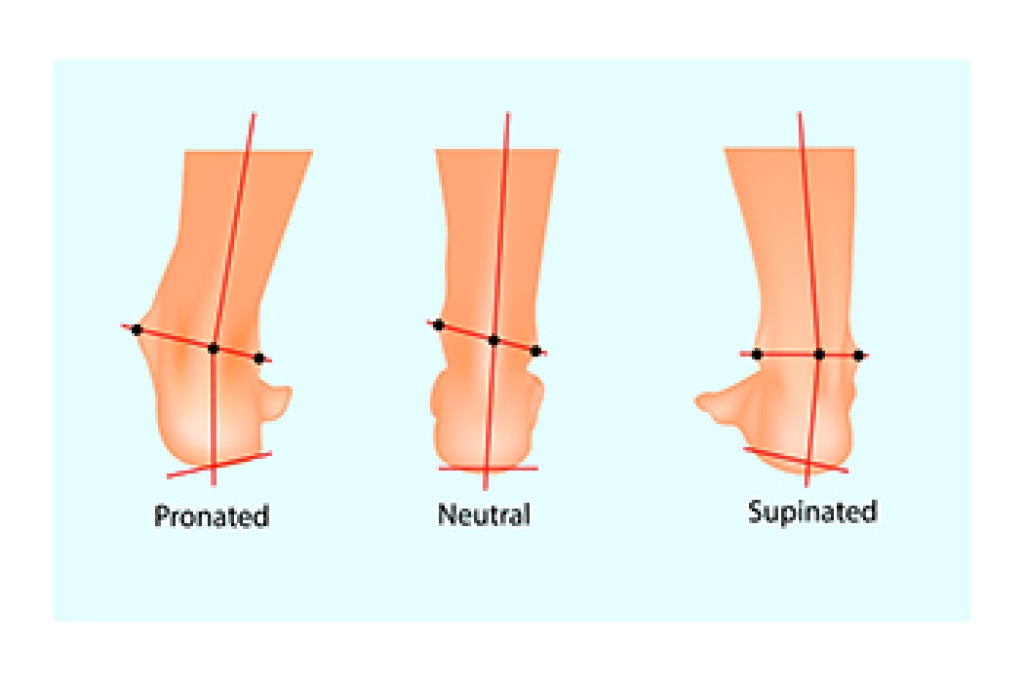
Pronation refers to the natural inward movement of the foot during walking or running, which helps absorb shock and distribute weight evenly. However, irregular pronation patterns, such as overpronation or underpronation, can disrupt this balance and contribute to foot and ankle discomfort. Overpronation occurs when the foot rolls excessively inward, often linked to flat arches. Meanwhile, underpronation, or supination, causes the foot to roll outward, frequently associated with high arches. Both conditions can increase stress on the foot, toes, and ankle, often leading to problems like plantar fasciitis, shin splints, or ankle sprains. A podiatrist is trained to evaluate your gait, determine the extent of pronation, and recommend solutions to improve foot alignment and support. This may include the use of custom orthotics or advice on footwear that enhances stability and reduces strain on vulnerable areas. If you are experiencing foot pain, it is suggested that you schedule an appointment with a podiatrist for an exam, diagnosis, and treatment options.

If you have any concerns about your feet, contact one of our podiatrists from Lakewood Family Foot and Ankle. Our doctors can provide the care you need to keep you pain-free and on your feet.

Biomechanics in Podiatry

Podiatric biomechanics is a particular sector of specialty podiatry with licensed practitioners who are trained to diagnose and treat conditions affecting the foot, ankle and lower leg. Biomechanics deals with the forces that act against the body, causing an interference with the biological structures. It focuses on the movement of the ankle, the foot and the forces that interact with them.

A History of Biomechanics

  • Biomechanics dates back to the BC era in Egypt where evidence of professional foot care has been recorded.
  • In 1974, biomechanics gained a higher profile from the studies of Merton Root, who claimed that by changing or controlling the forces between the ankle and the foot, corrections or conditions could be implemented to gain strength and coordination in the area.

Modern technological improvements are based on past theories and therapeutic processes that provide a better understanding of podiatric concepts for biomechanics. Computers can provide accurate information about the forces and patterns of the feet and lower legs.

Understanding biomechanics of the feet can help improve and eliminate pain, stopping further stress to the foot.

If you have any questions please feel free to contact our office located in Lakewood, CA . We offer the newest diagnostic and treatment technologies for all your foot and ankle needs.

Read more about Biomechanics in Podiatry

Heel Pain Can Be Treated!

Do you suffer from heel pain when you get up in the morning? If so, you should seek professional help and have a proper diagnosis performed. Heel pain can be caused by several different foot-related conditions.

Achilles Tendon Pain at the Heel

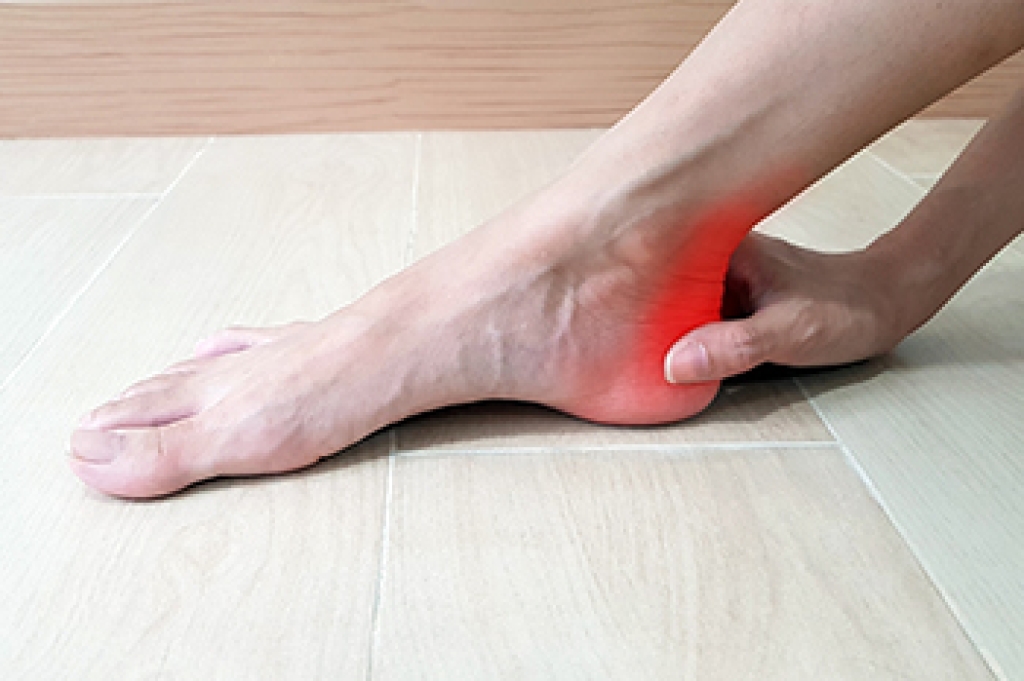
Achilles tendon heel pain, medically known as Achilles tendon enthesopathy, occurs where the Achilles tendon attaches to the back of the heel bone. Patients with this condition often feel pain at the back of the heel, especially during walking or ankle movement. The condition is caused by repetitive strain on the Achilles tendon, which can result from a sedentary lifestyle, being overweight, or overuse from athletic activities. Risk factors may also include age, certain medications, or underlying arthritis. Diagnosis typically involves a podiatrist performing a physical examination to check for tenderness and flexibility of the ankle. Effective treatments include reducing strain on the tendon, such as using heel lifts, creating a personalized stretching regimen, and addressing any biomechanical issues. A podiatrist may also recommend supportive footwear or other therapeutic techniques to improve healing and alleviate discomfort. If you have heel pain caused by an Achilles tendon injury it is suggested that you schedule an appointment with a podiatrist for treatment.

Achilles tendon injuries need immediate attention to avoid future complications. If you have any concerns, contact one of our podiatrists of Lakewood Family Foot and Ankle. Our doctors can provide the care you need to keep you pain-free and on your feet.

What Is the Achilles Tendon?

The Achilles tendon is a tendon that connects the lower leg muscles and calf to the heel of the foot. It is the strongest tendon in the human body and is essential for making movement possible. Because this tendon is such an integral part of the body, any injuries to it can create immense difficulties and should immediately be presented to a doctor.

What Are the Symptoms of an Achilles Tendon Injury?

There are various types of injuries that can affect the Achilles tendon. The two most common injuries are Achilles tendinitis and ruptures of the tendon.

Achilles Tendinitis Symptoms

  • Inflammation
  • Dull to severe pain
  • Increased blood flow to the tendon
  • Thickening of the tendon

Rupture Symptoms

  • Extreme pain and swelling in the foot
  • Total immobility

Treatment and Prevention

Achilles tendon injuries are diagnosed by a thorough physical evaluation, which can include an MRI. Treatment involves rest, physical therapy, and in some cases, surgery. However, various preventative measures can be taken to avoid these injuries, such as:

  • Thorough stretching of the tendon before and after exercise
  • Strengthening exercises like calf raises, squats, leg curls, leg extensions, leg raises, lunges, and leg presses

If you have any questions please feel free to contact our office located in Lakewood, CA . We offer the newest diagnostic tools and technology to treat your foot and ankle needs.

Read more about What are Achilles Tendon Injuries
scroll to top